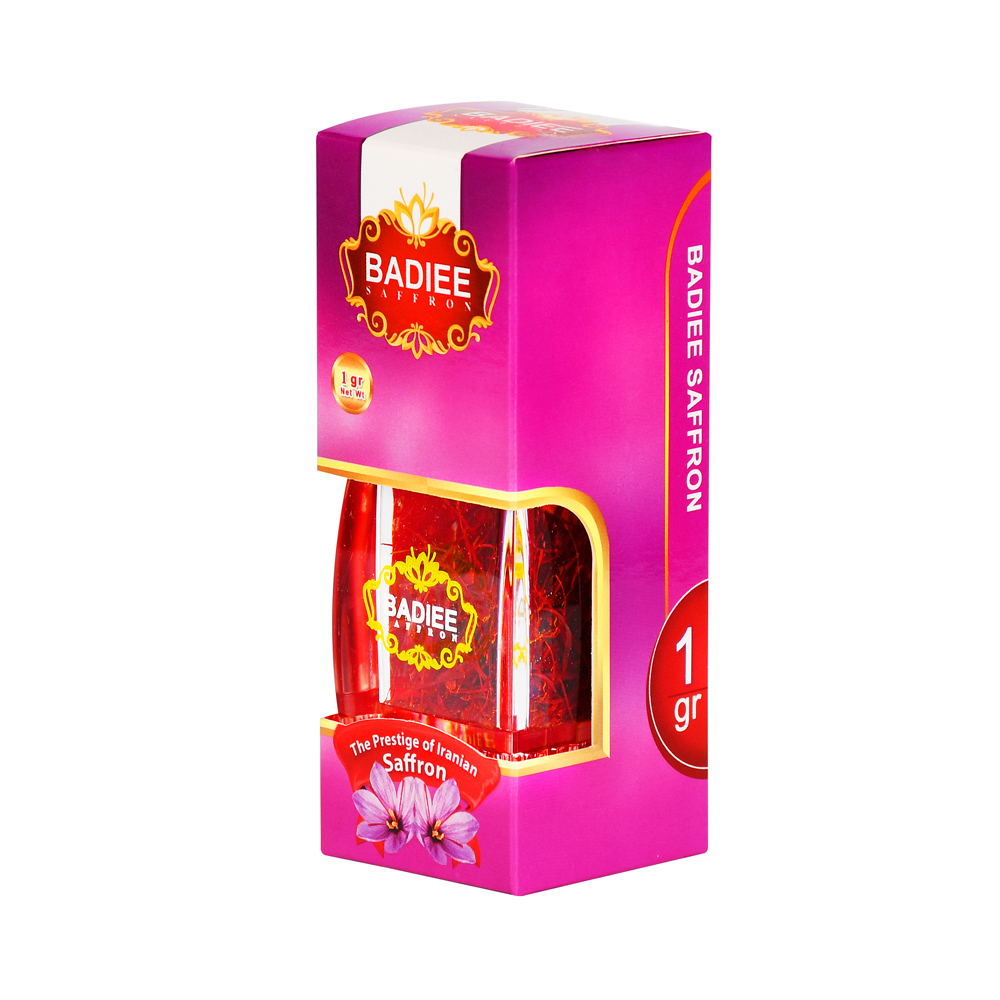
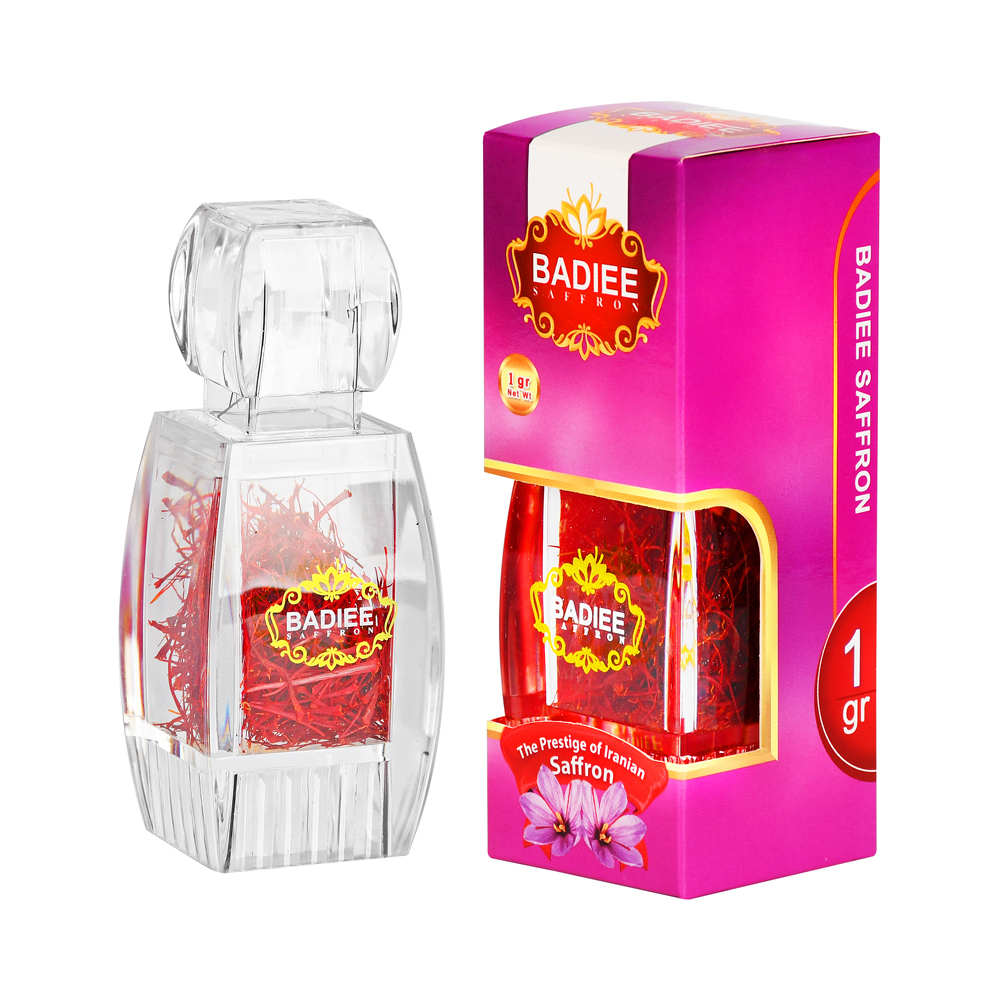

Description
Saffron – the world’s most valuable, exquisite, and aromatic spice – is treasured across gourmet cooking, cosmetics, and wellness industries.
Historically rooted in Iran, saffron is renowned as one of the nation’s cultural and agricultural jewels. Today, Iran produces over 99% of the world’s saffron, standing as its leading exporter, while China ranks as the largest importer.
Saffron’s signature fragrance and distinctive flavor come from Safranal, while its golden-yellow coloring derives from Crocin. To ensure authenticity, experts apply advanced methods such as mass spectrometry and high-performance liquid chromatography (HPLC) for detecting and preventing adulteration.
Key Components of Saffron
| Component | Function / Description |
|---|---|
| Crocin | Responsible for saffron’s natural coloring |
| Picrocrocin | Contributes to saffron’s subtle bitterness |
| Safranal | Provides saffron’s unique fragrance |
| Lycopene | A carotenoid also found in tomatoes |
| Beta-carotenes | Carotenoids also present in carrots |
Botanical Profile
Saffron (Crocus sativus) is a small, perennial herbaceous plant, 10–30 cm tall. From its bulb (corm) emerge slender, elongated green leaves, along with one or more flowering stems bearing 1–3 blooms.
Each blossom features six violet petals, which in some varieties may exhibit pink or deep purple tones. Inside the flower are three stamens and a pistil ending in a vibrant, three-branched stigma of deep red to orange-red.
The usable part of the plant – known simply as saffron – is the dried stigma and style tip. This part is recognized for its delicate aroma and slightly bitter taste.
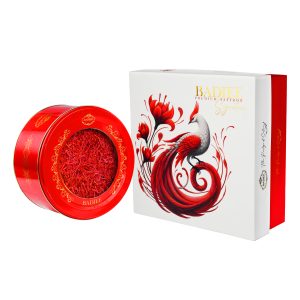
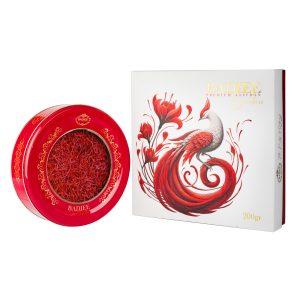
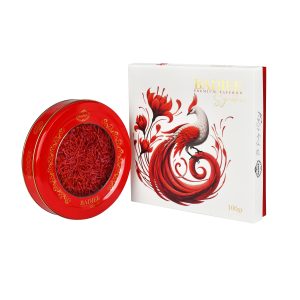
Super Negin Saffron
Super Negin saffron stands at the peak of saffron grading quality. It retains the premium traits of Negin saffron while offering an even more refined appearance:
- Absolutely no white or pale segments at the base of its stigmas
- Completely deep-red stigmas, uniform in color
- No curling or bending of the threads
Its stigmas are thicker and broader than standard Negin saffron, with coloring strength between 260–270.
Drying is carried out using specialized saffron dryers to maintain maximum aroma, flavor, and color integrity.



Reviews
There are no reviews yet.